Ultrafine-particle capture
Electrostatic charging targets particles that are difficult for conventional separators.

Deep polishing of fine particles, acid mist and aerosols in saturated gas streams.
The wet electrostatic precipitator charges particles and mist droplets in a high-voltage electric field and drives them toward collecting electrodes of opposite polarity.
A continuous or intermittent washing system removes the collected material without re-entraining dry dust. The equipment is commonly installed after wet desulphurisation or other saturated-gas treatment stages.
Electrostatic charging targets particles that are difficult for conventional separators.
Wet operation is well suited to saturated gas containing droplets and aerosols.
Washing prevents a dry dust cake from being re-entrained into the outlet gas.
The system can support demanding stack-emission targets after upstream treatment.
Spread the saturated exhaust evenly across the electric-field section.
Discharge electrodes generate ions that charge particles and droplets.
Move charged contaminants toward the collecting electrodes.
Flush the electrodes and transfer captured material into the wastewater system.
Deliver polished exhaust to the stack or downstream process.
Final sizing, materials, controls and safety provisions are selected from the exhaust or process data supplied for the project.
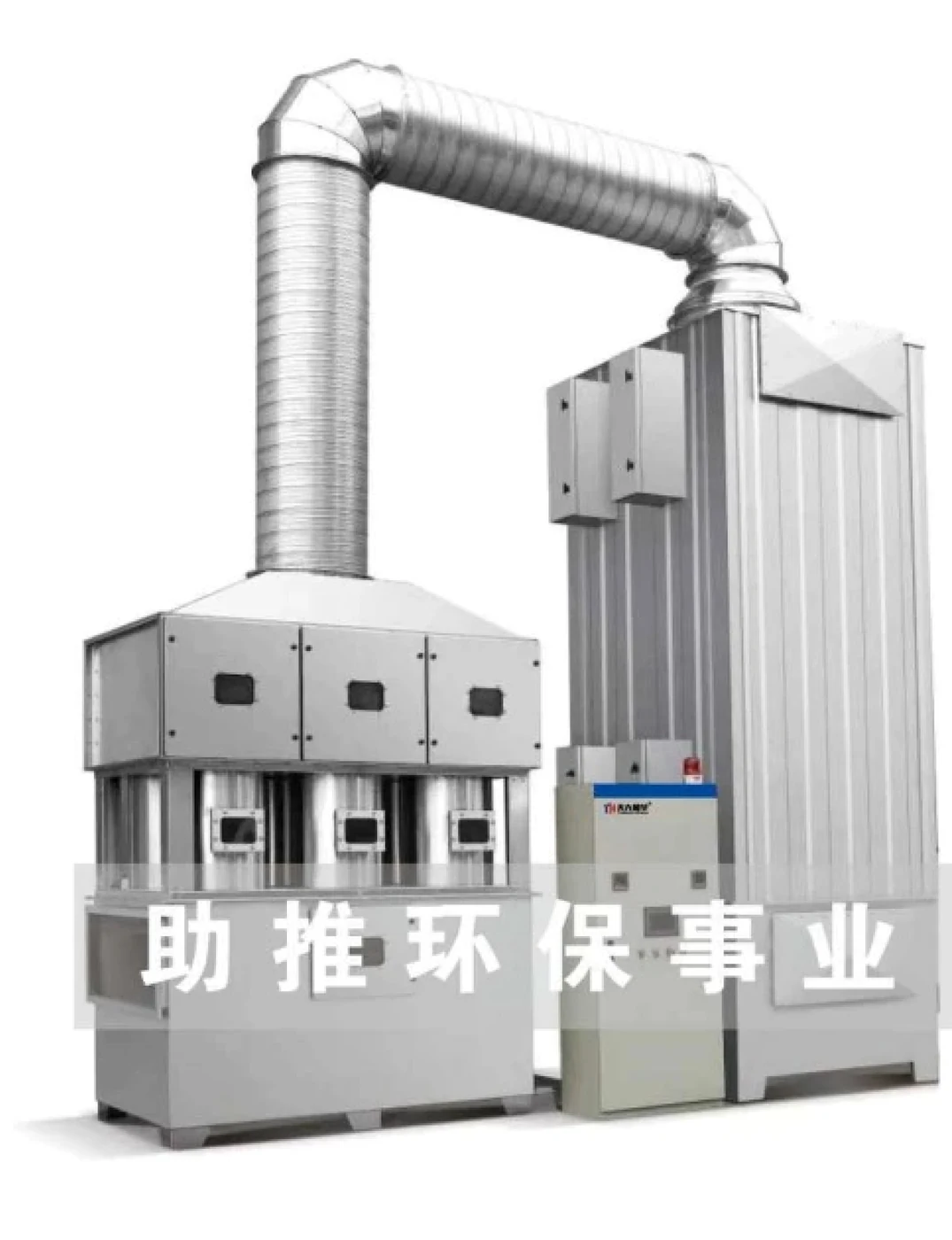
Final performance depends on verified process conditions. A technical proposal should not be based on equipment name or nominal airflow alone.
Provide the production process, pollutant composition, normal and peak concentration, temperature, humidity and any dust, mist or corrosive components.
State normal, minimum and peak airflow or treatment capacity, daily operating hours, batch cycles and expected future expansion.
Include available installation space, indoor or outdoor location, electrical standard, fuel or water availability, access constraints and project location.
Clarify whether the inquiry covers equipment supply, OEM manufacture, ductwork, controls, installation guidance, commissioning, training or spare parts.
Clean product assets extracted from the supplied source material. No translated brochure pages are embedded.
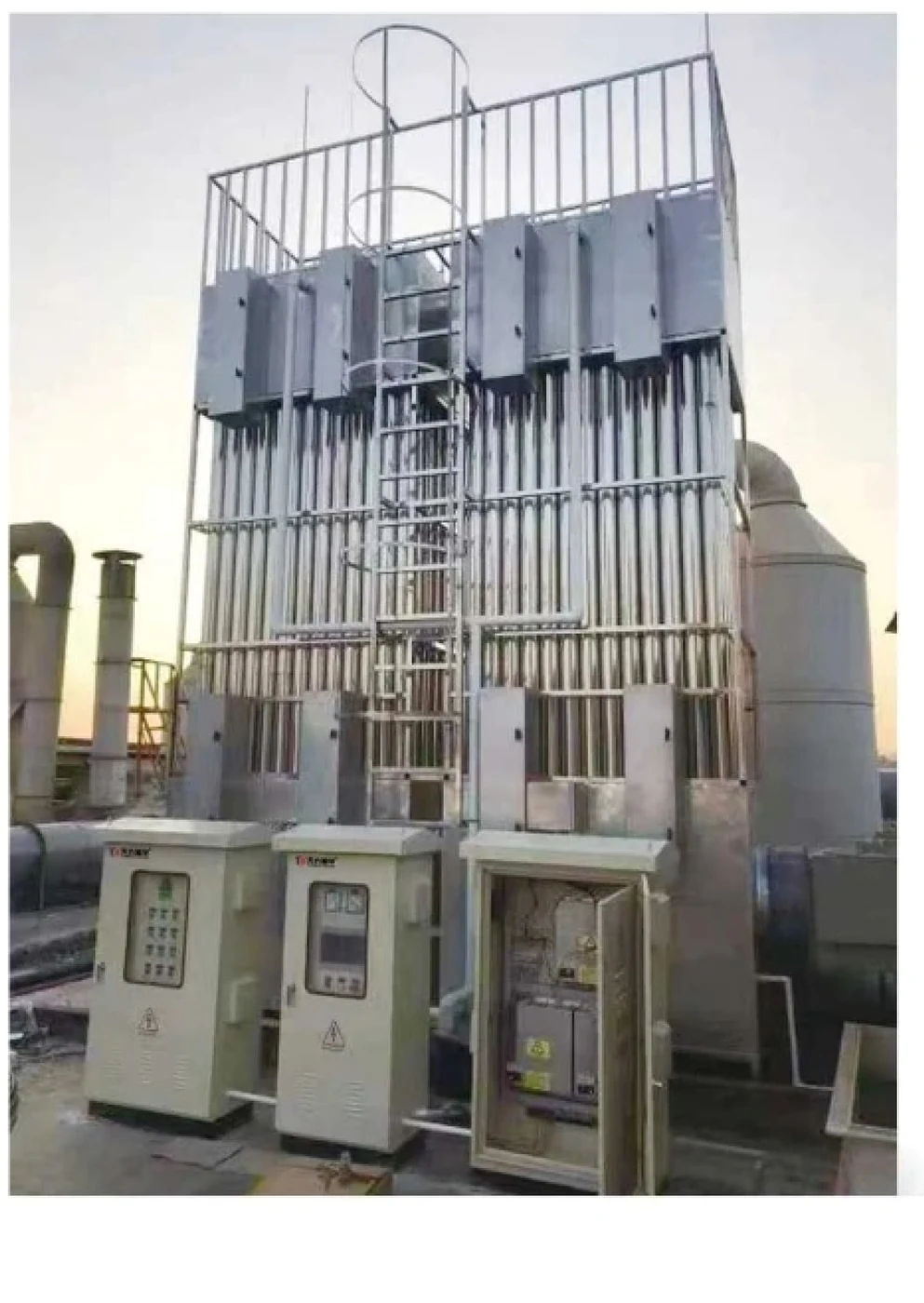
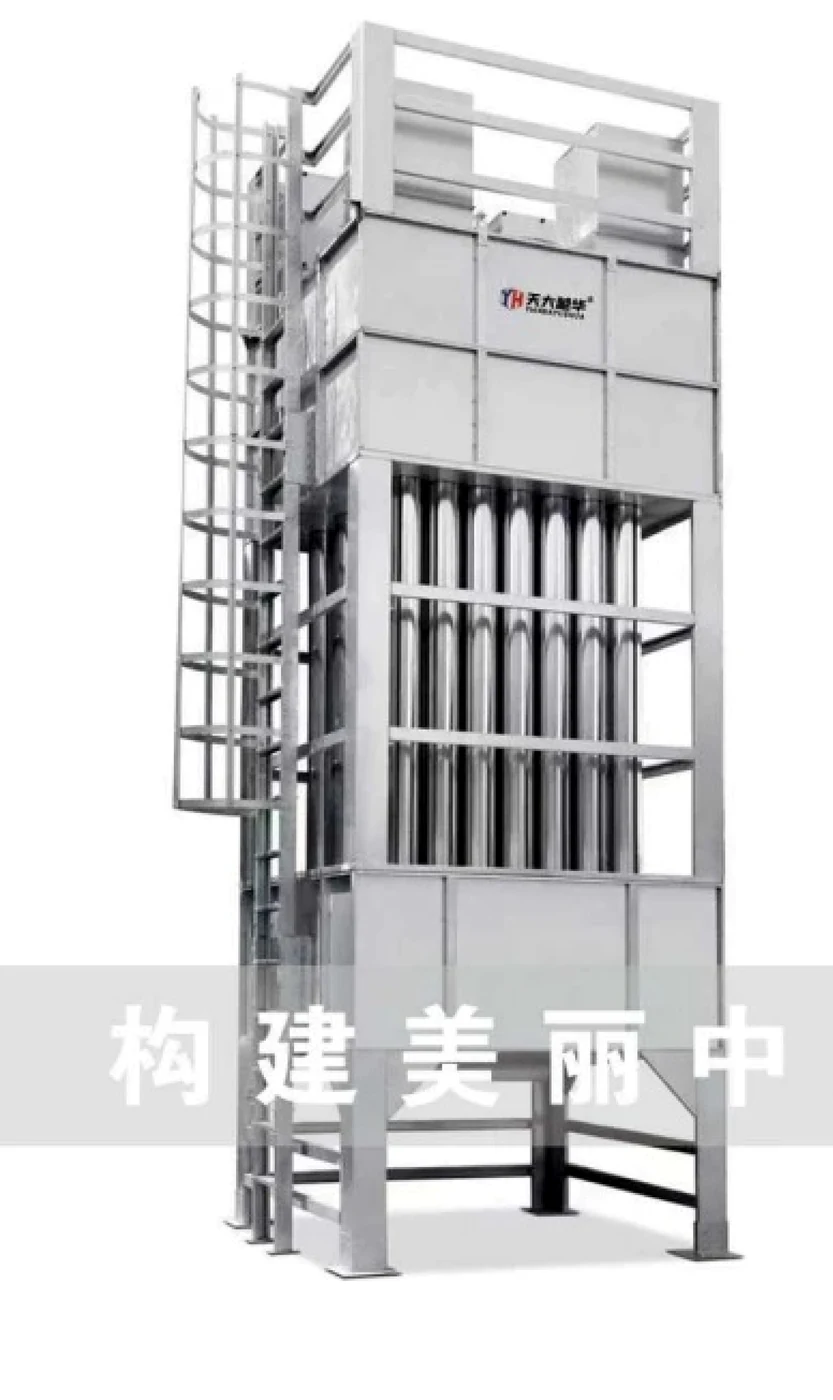
Share the airflow or capacity, pollutant composition, concentration, temperature, operating hours and site constraints. We will recommend the appropriate configuration.
Discuss your project →