Lower oxidation temperature
Catalysts reduce the temperature required to oxidise organic compounds.

Low-temperature, flameless oxidation for concentrated organic exhaust streams.
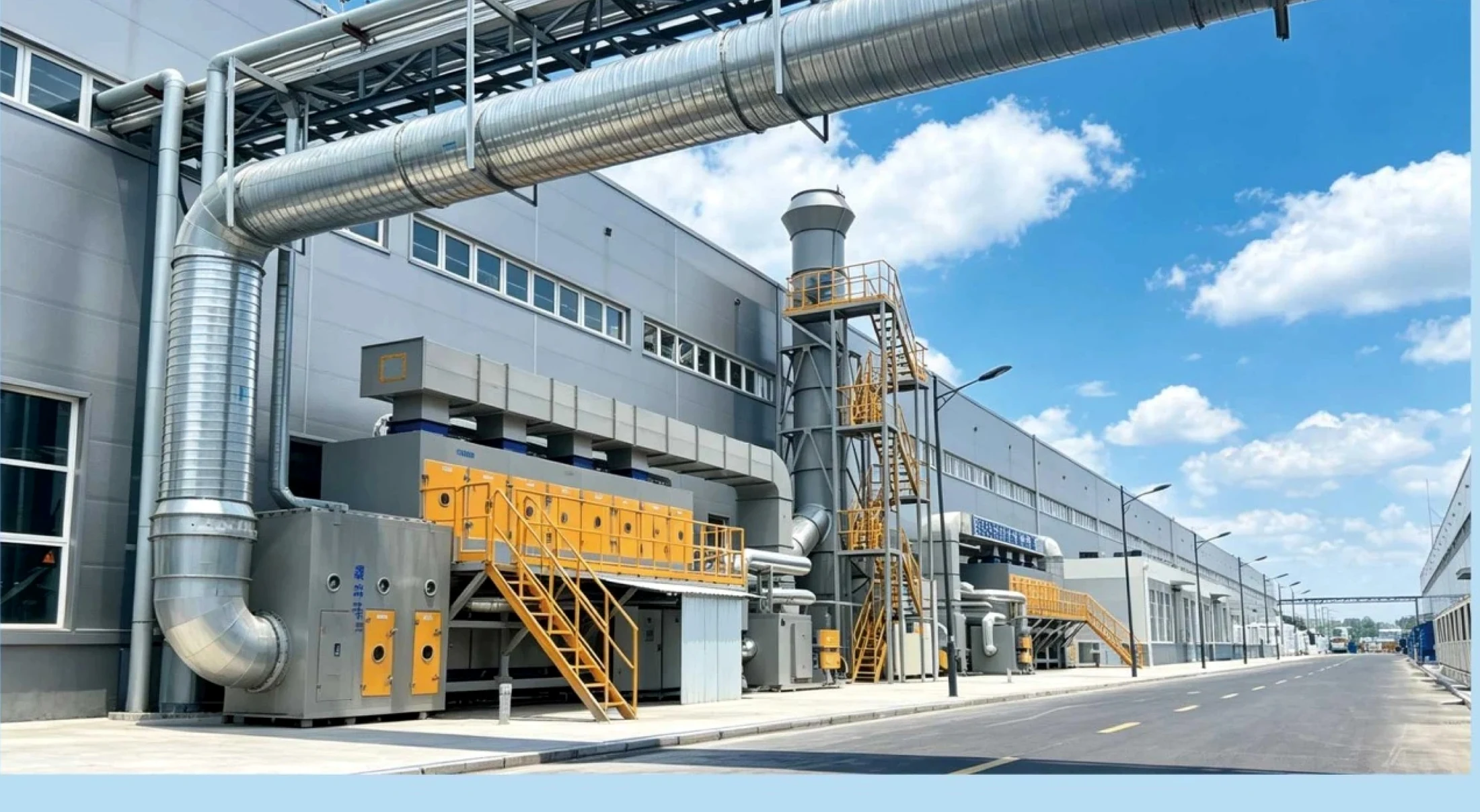
The catalytic combustion unit oxidises VOCs into carbon dioxide and water over a catalyst at a lower temperature than direct thermal combustion.
It can operate as a stand-alone treatment stage or receive a concentrated stream from activated-carbon or zeolite adsorption equipment. Recovered thermal energy can be returned to upstream desorption or process heating.
Catalysts reduce the temperature required to oxidise organic compounds.
The reaction proceeds without an open flame for stable industrial operation.
Hot clean gas can preheat incoming exhaust or support an adsorption-desorption cycle.
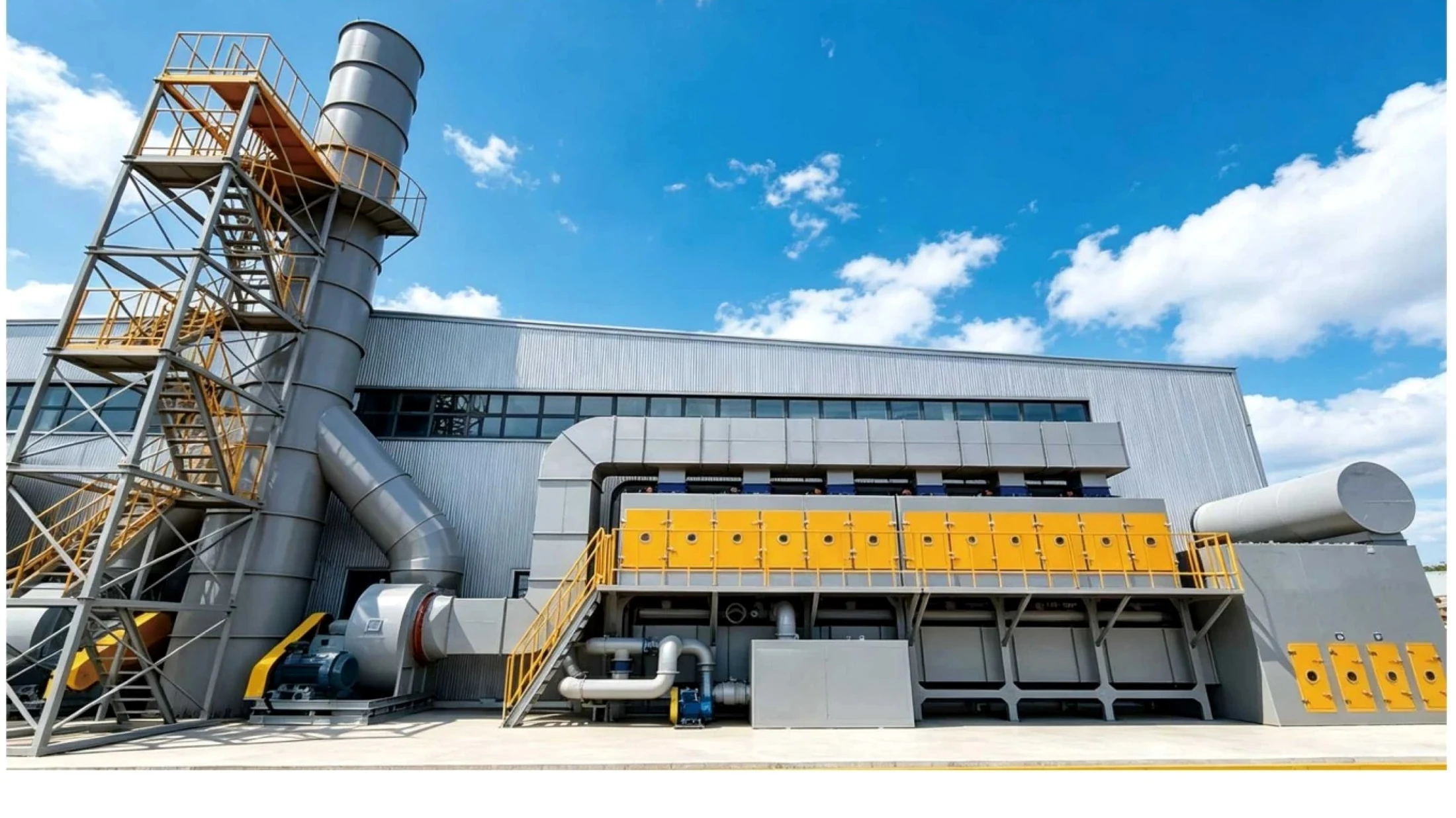
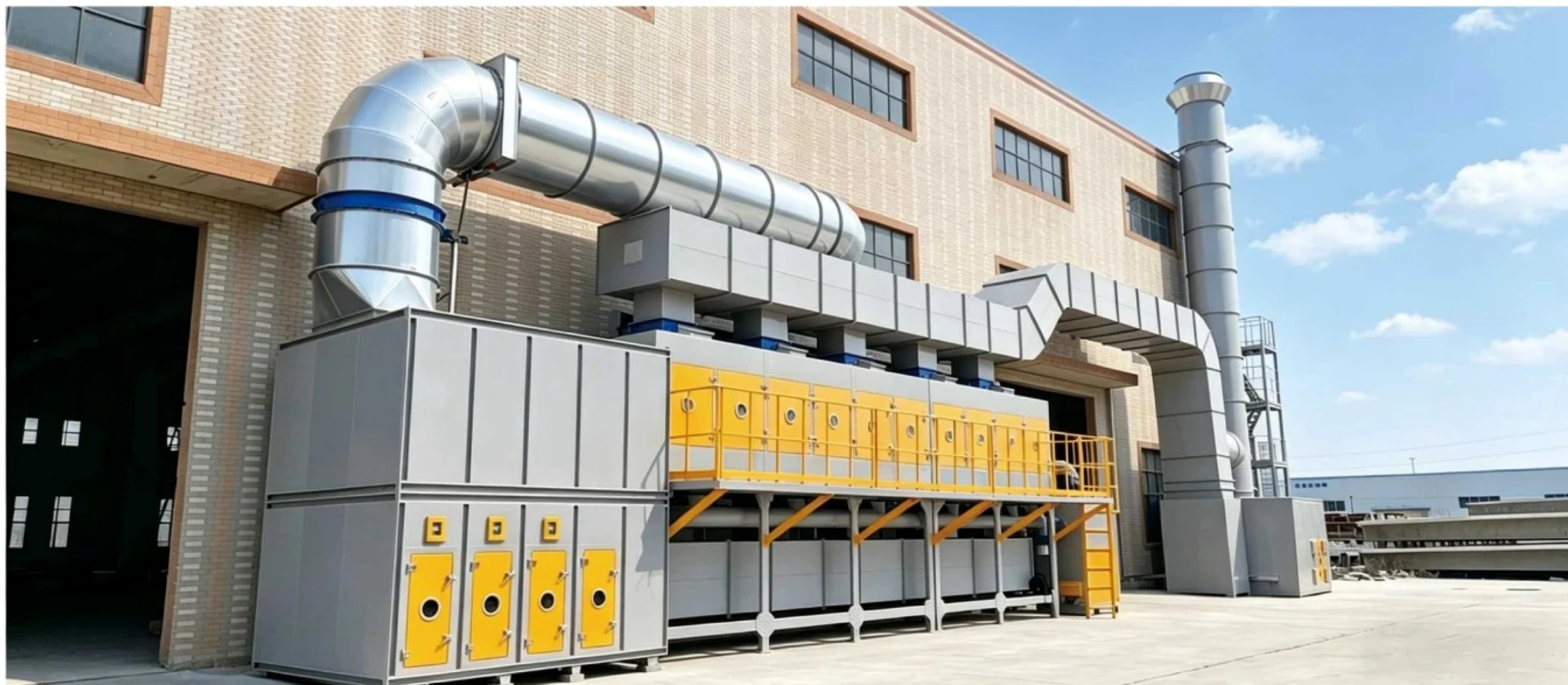
Catalyst beds, heat exchangers, fans and controls are integrated around project conditions.
Remove particulate matter and materials that could poison or block the catalyst.
Raise the concentrated VOC stream toward the required reaction temperature.
Organic compounds react with oxygen over the catalyst and convert to CO₂ and H₂O.
Recover heat from the treated gas to reduce auxiliary energy demand.
Release the purified stream through the project exhaust system.
Final sizing, materials, controls and safety provisions are selected from the exhaust or process data supplied for the project.
Final performance depends on verified process conditions. A technical proposal should not be based on equipment name or nominal airflow alone.
Provide the production process, pollutant composition, normal and peak concentration, temperature, humidity and any dust, mist or corrosive components.
State normal, minimum and peak airflow or treatment capacity, daily operating hours, batch cycles and expected future expansion.
Include available installation space, indoor or outdoor location, electrical standard, fuel or water availability, access constraints and project location.
Clarify whether the inquiry covers equipment supply, OEM manufacture, ductwork, controls, installation guidance, commissioning, training or spare parts.
Clean product assets extracted from the supplied source material. No translated brochure pages are embedded.
Share the airflow or capacity, pollutant composition, concentration, temperature, operating hours and site constraints. We will recommend the appropriate configuration.
Discuss your project →